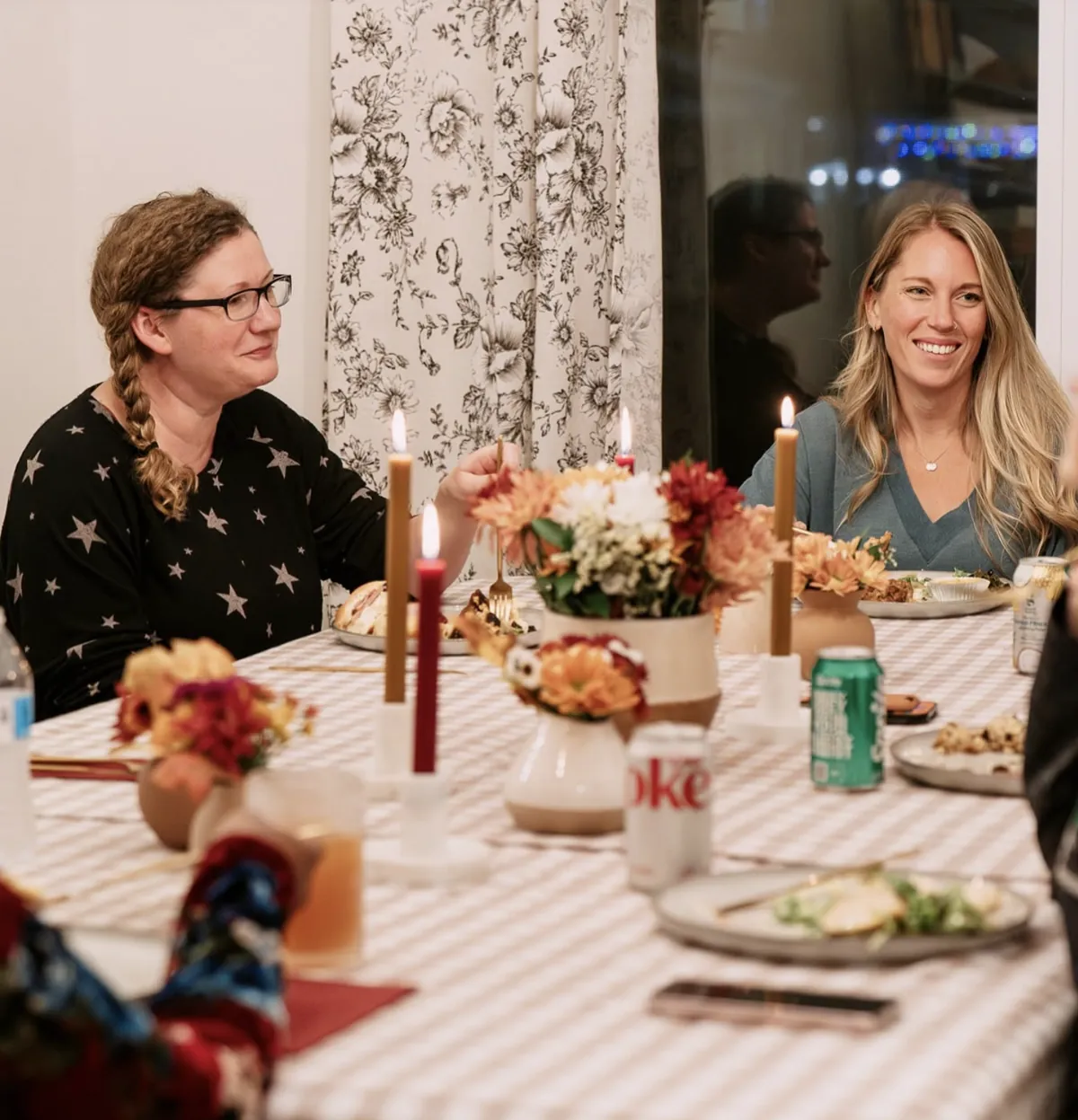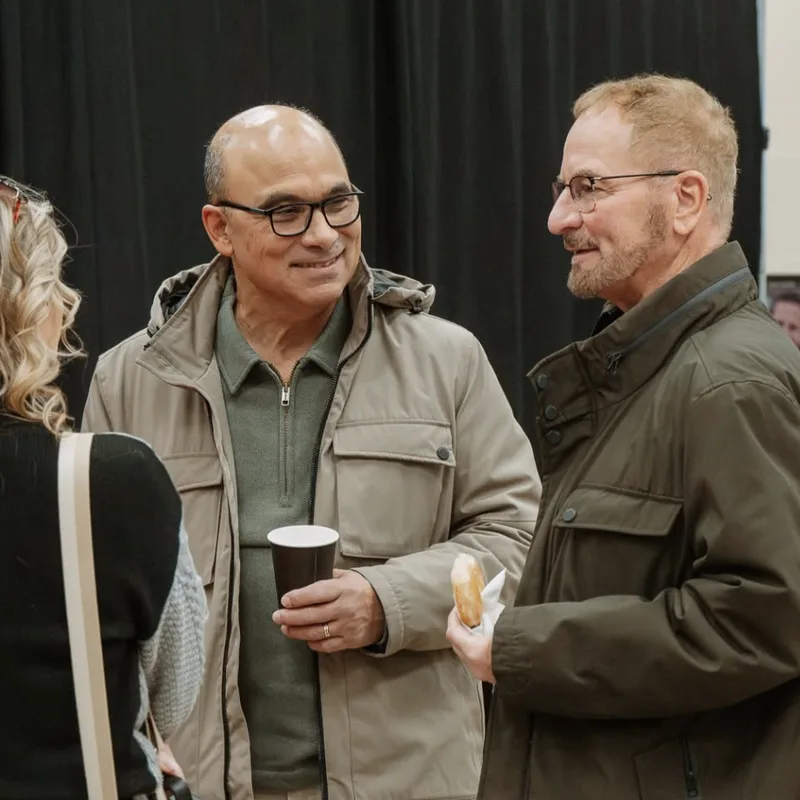
Making friends as a kid can be surprisingly simple. You show up at the same place, spend enough time together, discover you both like something, and suddenly you’re friends. As an adult, it feels like you need to coordinate three calendars, account for school schedules, and book a meeting six weeks in advance just to have coffee. And if you’re new to a city or going through a life transition, the whole thing can feel even harder.
I think a lot of adults are lonelier than they expected to be. They have coworkers, neighbors, and plenty of online connections, but not many people who really know what’s happening in their lives. At Nuvo, we value Uncommon Community because we believe we’re made for relationships that help us grow in our faith and become healthier people. That kind of connection rarely happens accidentally.
Friendship Requires Repetition
One reason childhood friendships form naturally is repeated time together. Adults often underestimate how important that is. We meet someone once, enjoy the conversation, and assume a friendship will somehow develop. But without another invitation, nothing happens. If you want meaningful community, you’ll probably need to become the person who follows up.
Acts 2 describes early Christians sharing life, meals, prayer, and resources. It’s a picture of faith expressed through ordinary relationships. They weren’t simply attending the same event. They were becoming part of one another’s lives. That requires consistency. Join a group, serve alongside others, or establish a recurring meal. Give relationships enough time to move beyond introductions.
Be Willing to Go First
Here’s something I’ve noticed: almost everybody appreciates being invited, but not everybody feels confident extending the invitation. You may assume someone already has plenty of friends or wouldn’t be interested in spending time with you. Sometimes that’s true. Often it’s simply an assumption. A straightforward “Would you want to grab coffee sometime?” can open a door that otherwise stays closed.
And when you begin building a friendship, allow it to become more honest over time. You don’t have to share your deepest struggles during the first conversation. But if every interaction stays on the surface, you’ll never discover whether there’s room for genuine support. Ask how someone is doing and be willing to answer that question honestly yourself.
Make Space for Differences
Uncommon community isn’t a collection of people who agree about everything. It’s a place where people recognize the image of God in one another and help each other grow. That means practicing patience, curiosity, and grace. Your friends may have different personalities, backgrounds, or opinions. Those differences don’t automatically make a relationship impossible. They may help you become more thoughtful and compassionate.
Meaningful friendships also require boundaries and mutuality. You can’t build every relationship equally deeply, and healthy community isn’t a demand that you become available to everyone all the time. Start with a few consistent connections and invest in them. Over time, shared experiences and trust can grow into something significant.
Putting This Into Practice
1Make one invitation.
Choose someone you’d like to know better and offer a specific plan for coffee, lunch, or a walk. Don’t wait until you feel completely confident.
2Join something recurring.
Look for a small group, serving team, or community activity where you’ll see the same people regularly. Commit long enough for relationships to develop.
3Move one conversation deeper.
Ask a friend what’s been challenging lately, then listen. Share something honest about your own life rather than keeping everything at the level of small talk.